

Quick contact – Monday-Friday: 8.30-16.30
Product of the month: Microbiome test
Deep sedation: comfortable, painless and safe endoscopy at Endomedix
Anaesthesia with an intravenous anaesthetic allows our patients to undergo examinations painlessly and in complete comfort. Patients feel no discomfort under anaesthesia, and another advantage is that the endoscopic examination can be carried out much more thoroughly because the patient does not move. This type of anaesthesia allows patients to wake up quickly and causes fewer anaesthetic side effects such as nausea or dizziness. This is especially beneficial for those who have previously experienced discomfort during medical procedures, as with this anaesthesia they can go through the examination without stress.
At Endomedix Centres, patient safety always comes first, which is why anaesthesia is carried out according to strict protocols. Before anaesthesia, our patients fill in a questionnaire that asks in detail about their previous operations, other medical conditions and regularly taken medicines – helping to ensure that every patient receives the best possible care during anaesthesia. Anaesthesia is directed by an experienced specialist, who works alongside a dedicated anaesthetic specialist nurse. Patients under anaesthesia are continuously monitored throughout the examination and afterwards.
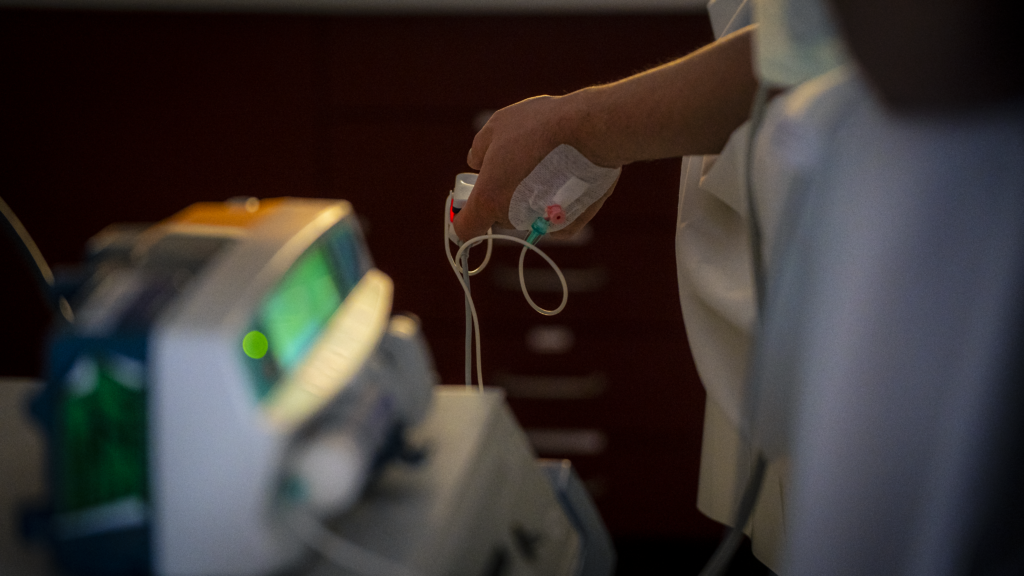
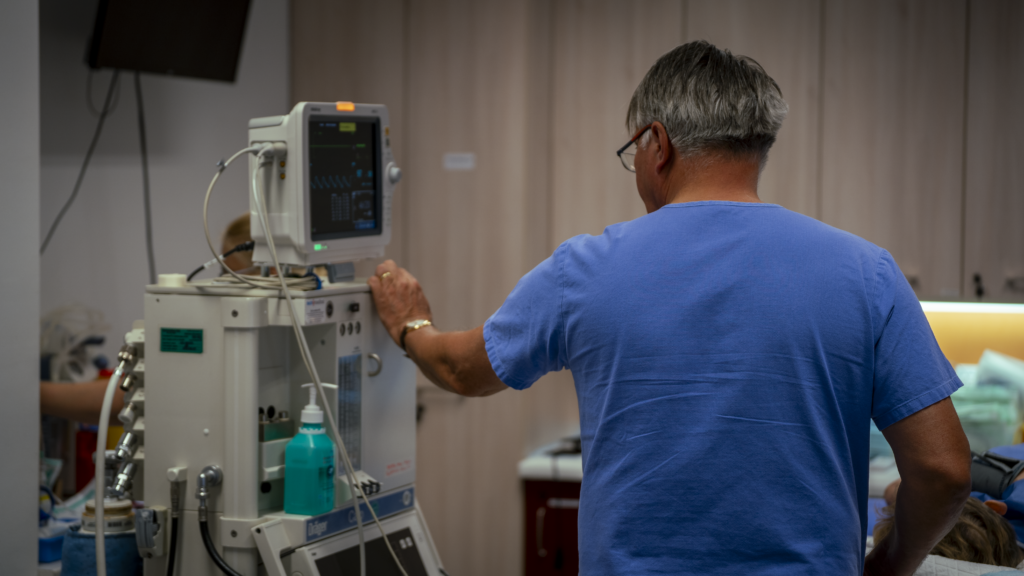
The anaesthesia equipment used at Endomedix represents state-of-the-art technology, including a professional anaesthesia machine, patient monitors and a computer-controlled infusion pump designed specifically for administering the intravenous anaesthetic. During anaesthesia, we continuously monitor the patient's heart rate, blood pressure and oxygen saturation, and we set the concentration of the anaesthetic in the brain, which allows personalised anaesthesia and continuous, precise dosing of the anaesthetic. This equipment ensures that anaesthesia is as painless and safe as possible for our patients.
The intravenous anaesthetic we use is particularly beneficial during endoscopic examinations because it acts quickly and is broken down quickly in the body. This short duration of action allows patients to regain alertness quickly and experience fewer side effects after the examination. Its pharmacokinetic properties have been examined in numerous clinical studies, which have shown that its risk is extremely low when it is used in an appropriate expert setting. Because of its short duration of action, patients regain alertness relatively quickly once the examination is over, minimising the after-effects of the anaesthetic.
For patient safety, Endomedix uses a detailed patient selection protocol. During the selection process, we assess the patient's age, general health, medical history and drug allergies. If necessary, we hold a preliminary anaesthetic consultation, where the anaesthetist assesses the patient's fitness for anaesthesia before preparation for the examination begins. This ensures that patients coming for their examination receive the best care – painlessly and comfortably, thanks to anaesthesia with an intravenous anaesthetic.
Because the intravenous anaesthetic is short-acting, patients regain alertness quickly, but for full safety it is essential that they come to the examination with a companion. In Hungary this is also required by the Health Act, so we cannot make exceptions. After anaesthesia, patients rest in a quiet recovery room, where they stay with their companion until they are fully awake, which usually takes 30 minutes. The companion then makes sure the patient gets home safely and comfortably. This way, our patients can return home in complete safety and peace of mind.
Dr. Csomós Ákos, consultant anaesthetist at the Honvédkórház (Military Hospital) and anaesthetist at our Budapest centre, appeared on Echo TV's Klinika programme in May 2017. An interesting feature of the programme, which follows a day in the consultant's life, is that from the 11th minute you can see Endomedix's Budapest centre.
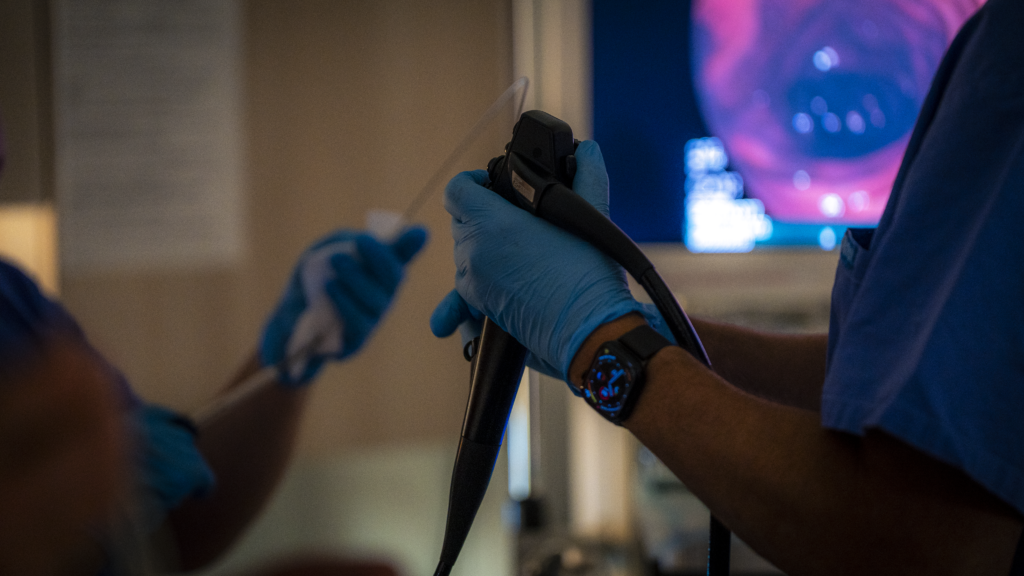
Gastroscopy under anaesthesia is the gentler form of gastroscopy: the patient is under anaesthesia and does not experience the discomfort of the procedure.
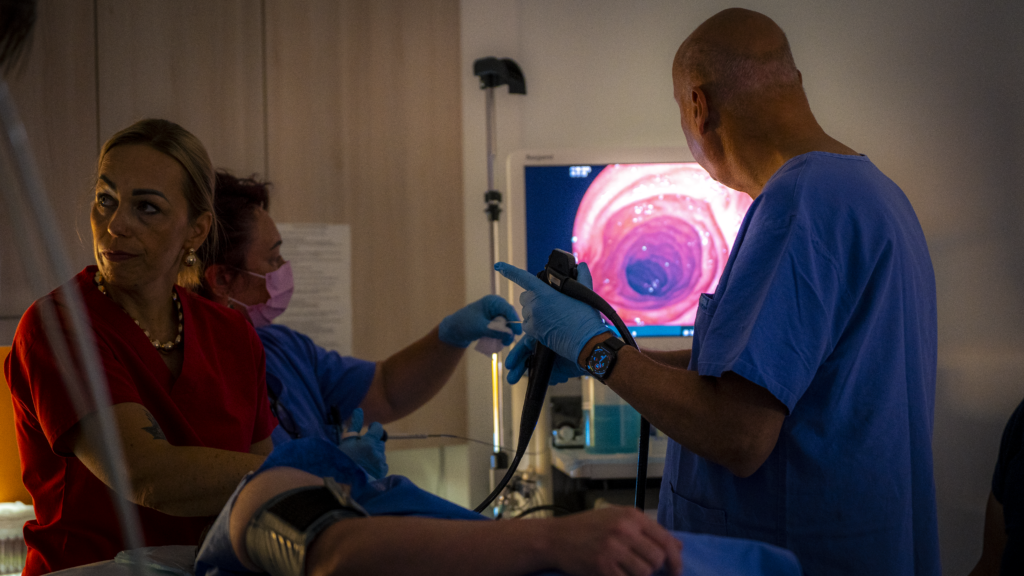
The aim of colonoscopy is to detect and treat changes inside the bowel. Colonoscopy is an uncomfortable examination, so we recommend having it under anaesthesia.
In gastroscopy and colonoscopy under anaesthesia, the two examinations are performed at the same time – more precisely, one straight after the other – under anaesthesia.
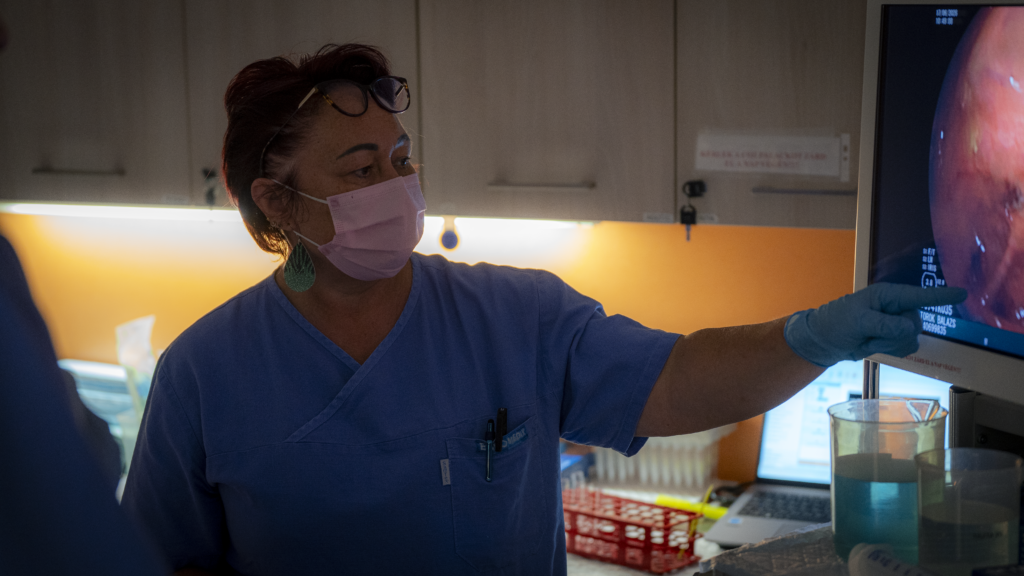
During a short colonoscopy (sigmoidoscopy) under anaesthesia, the rectum and the lower part of the large intestine are viewed and examined.
pH capsule test (+ Gastroscopy under anaesthesia)
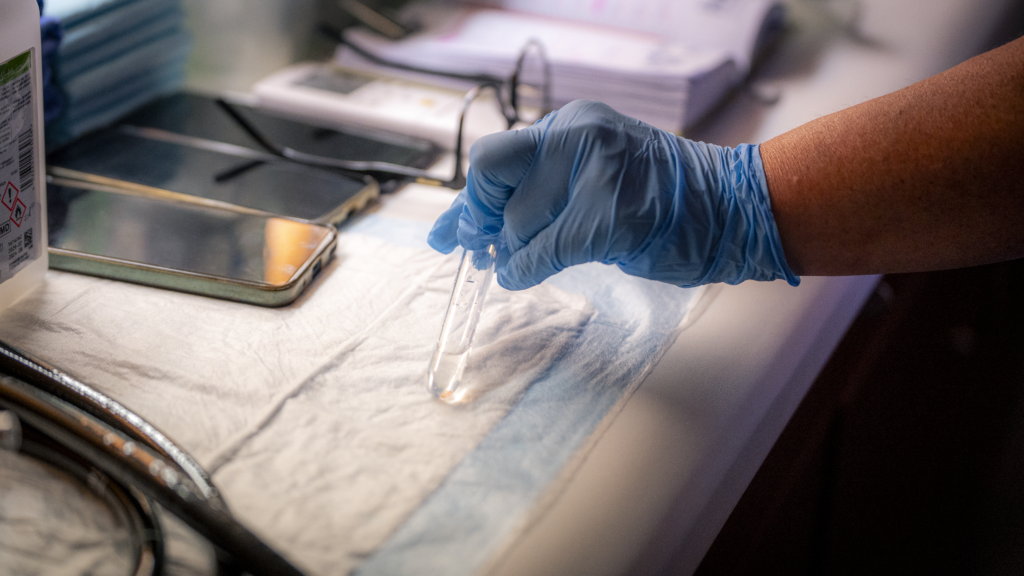
We perform our examinations under anaesthesia at the following Endomedix centres, at the prices shown here:
Further detailed information about this examination:
Budapest, Debrecen, Dombóvár, Miskolc, Siófok, Szolnok and Veszprém centres: you can book on weekdays, Monday to Friday, between 09:00 and 17:00 by calling (1) 413-2500 or online – for some examinations you can also book an appointment online! Our Győr, Gyula and Esztergom GranMed centres: please book by phone with our local colleagues. Too complicated? See the phone directory or request a callback!
|
Uploaded
Failed
|
![]() |