




Our fast access - Monday-Friday: 8.30-16.30
Product of the month: Microbiome test
The aim of a gastroscopy is to get a detailed picture of the upper digestive tract - the oesophagus, stomach and horseshoe casing. At Endomedix, we use state-of-the-art, high-resolution video endoscopes, which allow early detection of even the smallest inflammations, ulcers or precancerous conditions.

Recurrent heartburn and reflux: If the acid reflux is regular and lifestyle changes or essential medicines do not bring lasting improvement.
Pain around the mouth of the stomach: If you often have a burning, tight feeling in the upper abdomen after meals or on an empty stomach.
Difficulty swallowing or pain: If you feel food is difficult to pass down your gullet or if you experience a bite of food getting stuck while swallowing.
Unnecessary weight loss and loss of appetite: If your weight drops significantly without dieting or you have a persistent aversion to food.
Frequent nausea or vomiting: If the symptoms are recurrent or if you notice traces of blood or coffee grounds in the vomit.
Iron deficiency anaemia: If your lab results suggest a hidden upper gastrointestinal bleed, which can only be confirmed by a scan.
Bacteria control: After an infection, mirroring is the surest way to eradicate the bacteria and confirm a cure.
Black stools: Dark faeces may be a sign of upper bleeding, the source of which can only be identified by rapid reflection.
I.
The examination allows painless tissue sampling (biopsy) of areas that are considered suspicious, which is essential for the accurate identification of inflammatory or tumour processes. With this method, our doctors can not only see the surface but also provide a cellular diagnosis, thus establishing the most appropriate treatment plan.
II.
Following the guidelines of quality endoscopy, our clinic offers patients state-of-the-art equipment and strict safety protocols. The carbon dioxide (CO2) injection used during the examination significantly reduces the post-procedure discomfort, allowing you to undergo the diagnostic process with the least possible discomfort, guaranteeing a relaxed recovery.
III.
In addition to diagnosis, we also carry out therapeutic steps, whether it's removing small polyps or possibly stopping bleeding in the upper intestinal tract. This complexity ensures that you don't have to wait for several different appointments, as we perform the diagnosis and intervention in a single, professional visit, saving you unnecessary waiting.
I.
The examination allows painless tissue sampling (biopsy) of areas that are considered suspicious, which is essential for the accurate identification of inflammatory or tumour processes. With this method, our doctors can not only see the surface but also provide a cellular diagnosis, thus establishing the most appropriate treatment plan.
II.
Following the guidelines of quality endoscopy, our clinic offers patients state-of-the-art equipment and strict safety protocols. The carbon dioxide (CO2) injection used during the examination significantly reduces the post-procedure discomfort, allowing you to undergo the diagnostic process with the least possible discomfort, guaranteeing a relaxed recovery.
III.
In addition to diagnosis, we also carry out therapeutic steps, whether it's removing small polyps or possibly stopping bleeding in the upper intestinal tract. This complexity ensures that you don't have to wait for several different appointments, as we perform the diagnosis and intervention in a single, professional visit, saving you unnecessary waiting.

An empty stomach is essential for the success of the test, so please avoid eating and drinking for at least six hours before the procedure. On arrival, our specialist assistants will help you prepare and provide you with detailed information about the procedure, so that you can await the start of the examination in complete safety and peace of mind.

Before the procedure, you can choose between local anaesthesia or general anaesthesia, depending on how you feel safer. Under anaesthesia, our anaesthesiologist will provide continuous monitoring, while in the awake state, a special throat spray is used to minimise the swallowing reflex, ensuring a gentle and quick examination.
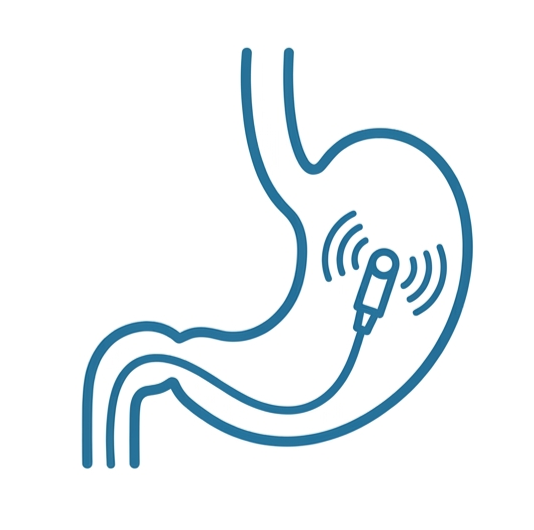
During the procedure, our specialist will use a thin, flexible instrument to examine the mucous membranes of the oesophagus, stomach and horseshoe. Thanks to advanced technology, the examination takes only a few minutes, while immediate histological sampling or minor therapeutic intervention is performed if necessary to ensure the most accurate medical diagnosis possible.

Once the examination is complete, our doctor will immediately explain what you have seen and explain in detail the results and possible next steps. Not only will we provide you with the documentation, but we will also give you personalised treatment suggestions and lifestyle advice so that you can leave with accurate answers and a secure recovery plan.
A gastroscopy is one of the most effective ways of finding the cause of upper digestive tract complaints, whether they are reflux, ulcers or inflammation. At Endomedix, we take great care to ensure that the examination is not only professionally impeccable, but also as uncomfortable as possible for the patient. This is why the procedure at our clinic also available under anaesthesia, during which you sleep soundly, completely free from unpleasant stimuli and reflexes. This stress-free solution allows you to feel nothing from the test and to leave feeling rested after a short observation upon waking. Of course, the accuracy and thoroughness of the diagnosis remain the same even if you opt for local anaesthesia, as our experienced specialists use modern equipment to perform the mucosal examination and the necessary sampling with the utmost precision in every case.
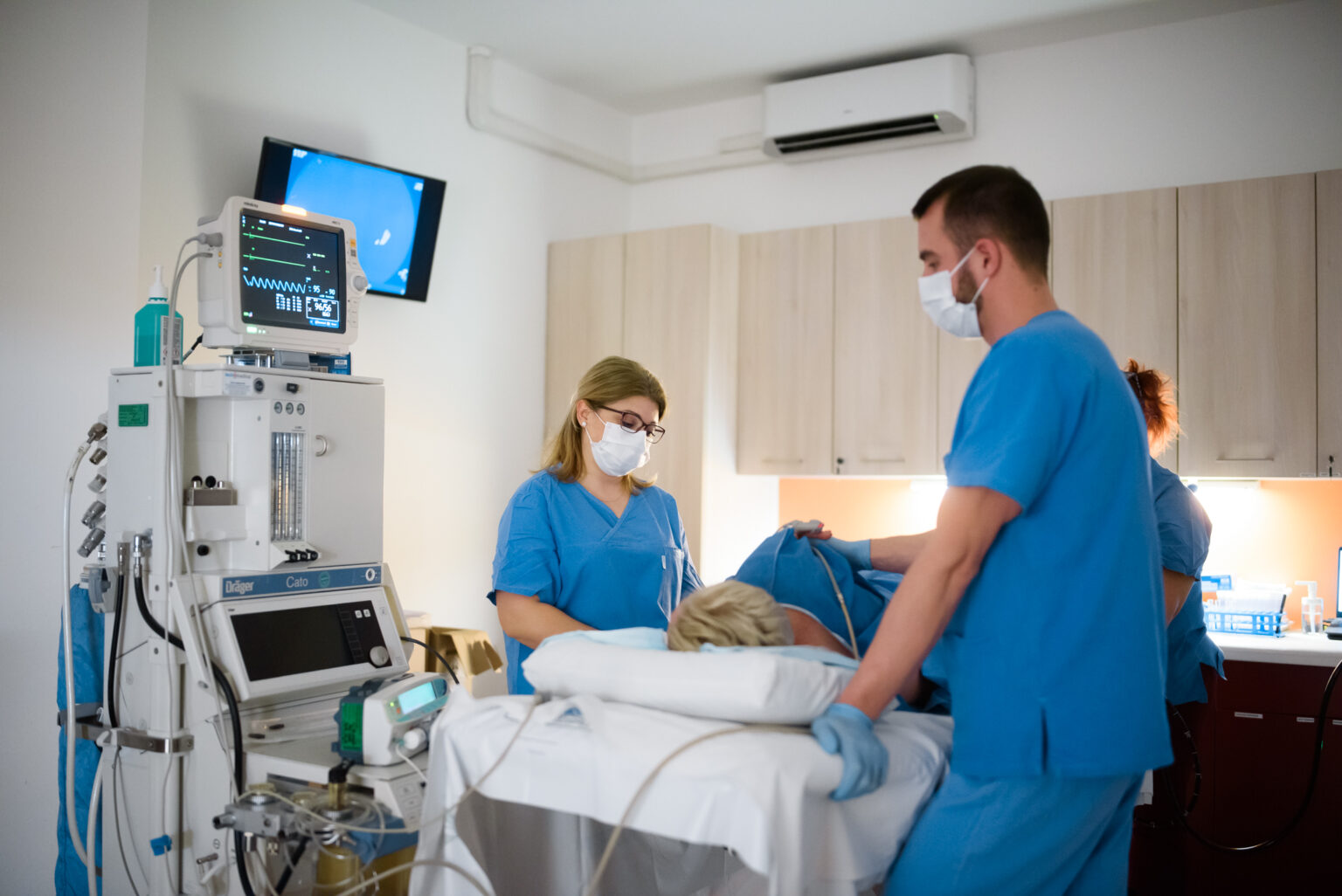
A gastroscopy is one of the most effective ways of finding the cause of upper digestive tract complaints, whether they are reflux, ulcers or inflammation. At Endomedix, we take great care to ensure that the examination is not only professionally impeccable, but also as uncomfortable as possible for the patient. This is why the procedure at our clinic also available under anaesthesia, during which you sleep soundly, completely free from unpleasant stimuli and reflexes. This stress-free solution allows you to feel nothing from the test and to leave feeling rested after a short observation upon waking. Of course, the accuracy and thoroughness of the diagnosis remain the same even if you opt for local anaesthesia, as our experienced specialists use modern equipment to perform the mucosal examination and the necessary sampling with the utmost precision in every case.
The fee for the examination can of course also be charged to your health insurance account - our colleagues will be happy to provide you with more details. Visit Find a list of health insurance providers affiliated with Endomedix here. For more details, please call our number (+36 1 413 2500) or contact us online.
|
Uploaded
Failed
|
 |