Quick contact – Monday-Friday: 8.30-16.30

Product of the month: Microbiome test

pH capsule test:
a revolution in reflux diagnostics

Reflux disease is the backflow of stomach acid into the oesophagus, which can cause unpleasant symptoms such as heartburn, acid regurgitation, sore throat, chronic cough and difficulty swallowing. Left untreated, it can even lead to oesophagitis or other serious complications.

What is the pH capsule

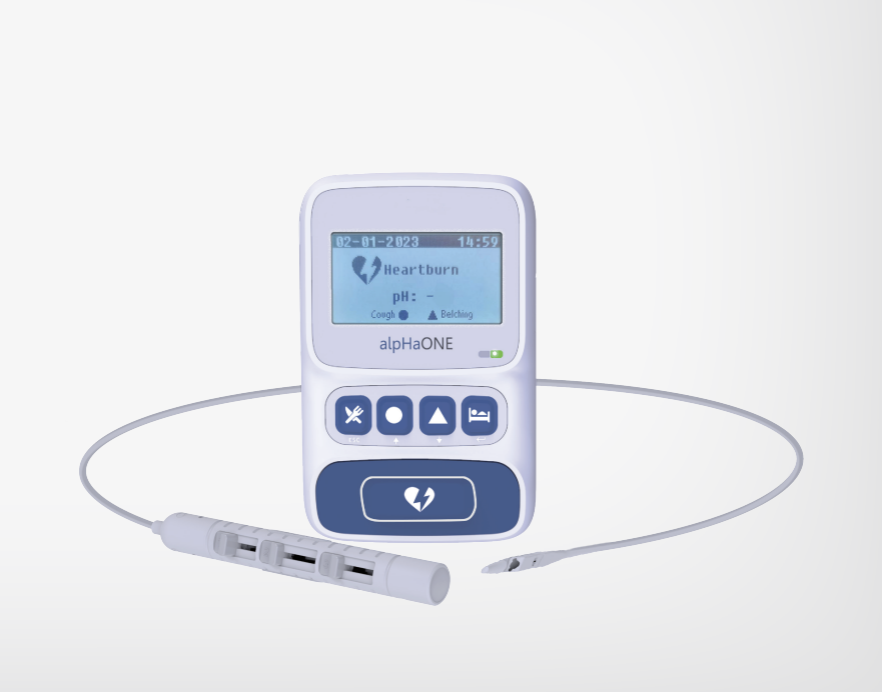
The pH capsule test is a wireless reflux monitoring procedure that provides continuous data on stomach acid levels for up to 96 hours. The alpHaONE system has made accurate diagnosis of reflux disease simpler and more comfortable.

What makes this innovation special?

Longer monitoring time: Continuous data collection for up to 96 hours for an accurate diagnosis.

Wireless technology: Gives you complete freedom and comfort during the test

When and for whom is it recommended?

For those who suffer from frequent heartburn or acid regurgitation and would like an accurate diagnosis of what is causing their symptoms.

For those who want to avoid the discomfort of the conventional pH catheter test and would like to eat, drink and sleep freely during the test.

For those with a chronic cough, sore throat or difficulty swallowing. For reflux patients whose symptoms have not improved with medication.

For those who need a pH test before reflux surgery and want a more accurate and more comfortable test than catheter pH measurement.

Differences between the pH capsule and the catheter test

pH CAPSULE

During the test, a wireless capsule is attached to the lining of the oesophagus, causing minimal discomfort. The patient can go about their daily activities freely. The capsule is almost unnoticeable.

The wireless capsule collects data for up to 96 hours, giving an accurate picture of the frequency and intensity of reflux over a longer period. The system needs no calibration, which makes the data quality more reliable.

During the test, the patient can eat and sleep normally, as there is no intrusive external device. The capsule works discreetly, so social contact is not uncomfortable either.

Thanks to the longer measurement period, it provides more detailed data on reflux episodes, acidity levels and how symptoms change over time. The alpHaLAB software carries out an automatic analysis, speeding up the doctor's diagnostic work.

pH CATHETER

The test is performed with a catheter, a thin tube passed through the nose into the oesophagus. The catheter stays in place for the entire test. This often causes discomfort and can even lead to disturbed sleep or difficulty eating.

The catheter test usually lasts only 24 hours, which can limit how well the frequency and timing of reflux can be observed. The catheter has to be calibrated regularly for accurate measurement.

The presence of the catheter is often bothersome, especially when sleeping and eating. The patient's discomfort can reduce their quality of life during the test.

Although it provides accurate data on short-term changes in acidity, the 24-hour time frame does not provide as much information as the capsule method.

How does the examination work?

PH1

Attaching the capsule

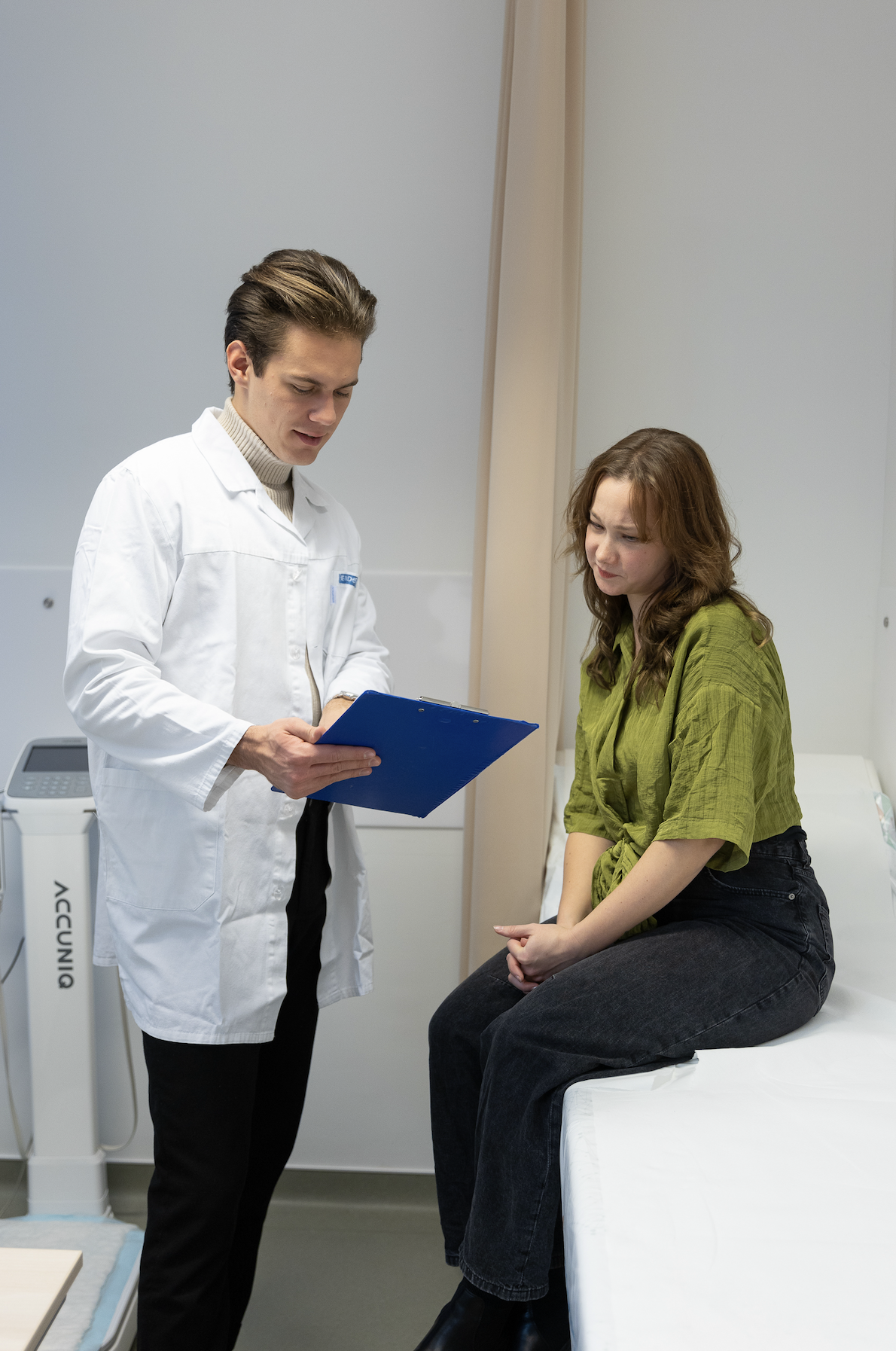
Following a gastroscopy, the calibration-free pH capsule is painlessly attached to the wall of the oesophagus, where it continuously measures acidity levels.

Screenshot 2025-01-14 - 16.03.17

Recording the data

The data are collected by an ergonomic, patient-friendly wireless data recorder that automatically saves the measurements at any time of day.

PH2

Examination

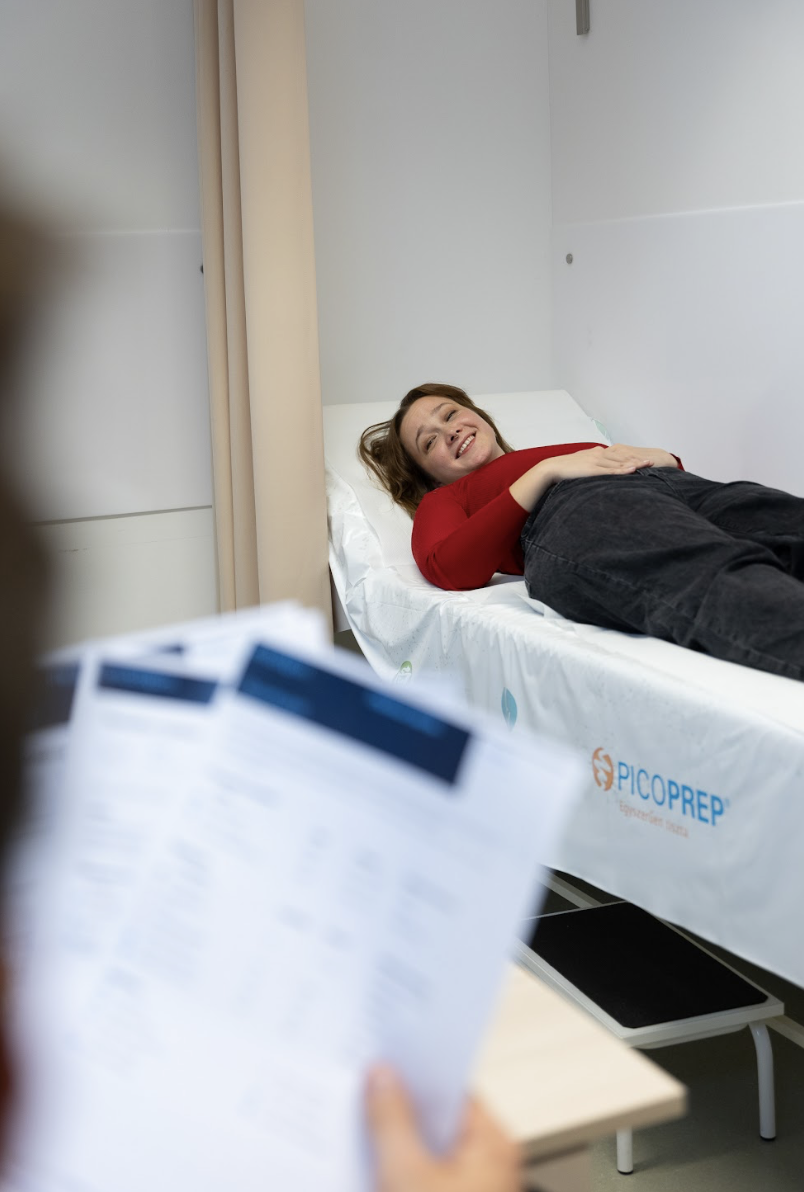
During the test, the patient can go about their daily activities freely while the capsule works discreetly.

IMG_8316

Evaluation

The collected information is analysed with the alpHaLAB software, which produces a fast and detailed report for the doctor.

Do you have a question?

Put your question in person to our pH capsule expert, Dr. Takáts Alajos 

Online appointment booking