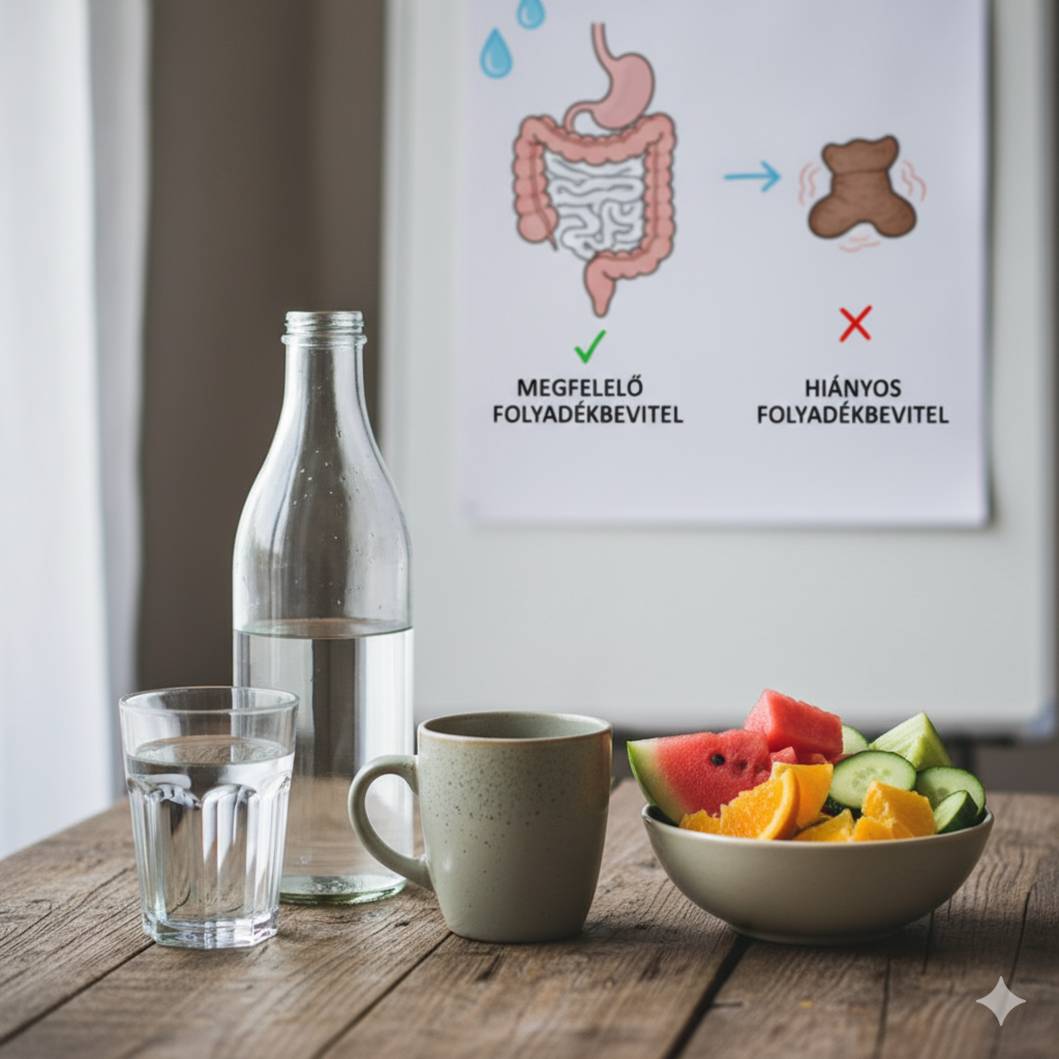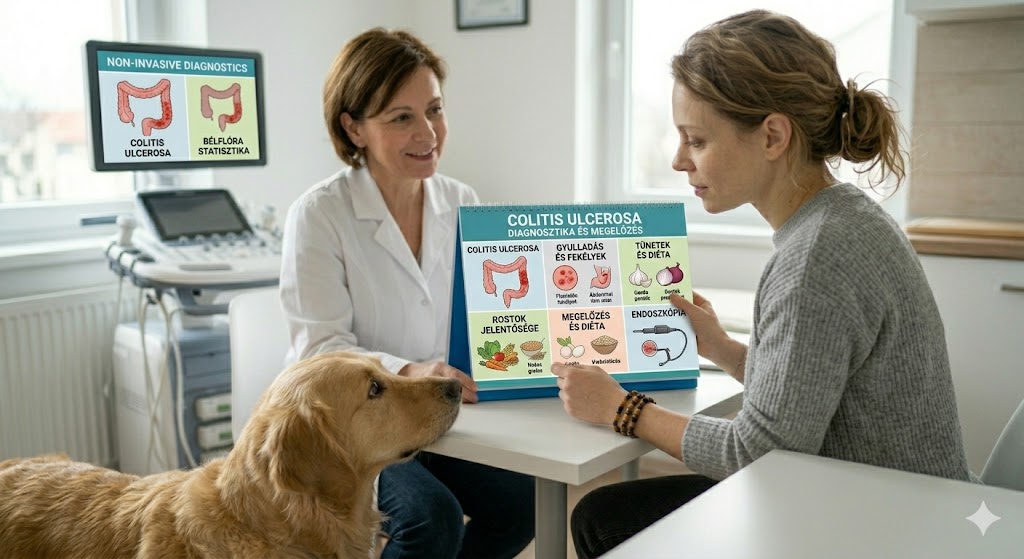



IBS diéta: mit együnk irritábilis bél szindróma esetén?
Quick answer: The cornerstone of dietary treatment for irritable bowel syndrome (IBS) is the low-FODMAP diet, which has been shown to reduce bloating, abdominal pain and bowel habit problems.
Quick contact – Monday-Friday: 8.30-16.30
Product of the month: Microbiome test

Quick answer: The cornerstone of dietary treatment for irritable bowel syndrome (IBS) is the low-FODMAP diet, which has been shown to reduce bloating, abdominal pain and bowel habit problems.

Quick answer: Diet plays a key role in relieving the symptoms of irritable bowel syndrome (IBS). For most people with IBS, high-FODMAP foods – such as wheat,

Quick answer: Binding foods for adults – such as boiled rice, bananas, toast, boiled carrots and apples – can help firm up the stool when you have diarrhoea.

Quick answer: Pears are rich in fibre and fructose and can naturally help bowel movements and soften the stool. Eating them regularly can relieve constipation, but

Quick answer: Binding fruits – such as ripe bananas, apples (without the skin), blueberries and pomegranate – can naturally help

Quick answer: Grated apple can indeed be an effective natural remedy for constipation. Apples contain soluble fibre (pectin), which aids bowel movements and softens the

Quick answer: Dietary treatment of bile, liver and pancreatic diseases differs by disease type. For fatty liver a Mediterranean diet is recommended, in cirrhosis salt restriction is needed, and in acute pancreatitis early, gradual feeding

Quick answer: A liver-friendly diet means avoiding alcohol and fatty and processed foods, and favouring a Mediterranean-style diet rich in fibre and

Quick answer: Stimulating bile flow at home is a popular search topic, but the clear medical position is that uncontrolled attempts to stimulate bile flow carry serious risks. This article summarises

Quick answer: The key to a gallbladder-friendly diet is eating low-fat, easily digestible foods. The right gallbladder-friendly recipes can help prevent biliary colic, reduce the risk of gallbladder inflammation, and

Quick answer: The diet for people with gallbladder problems is based on low-fat, easily digestible foods. Avoid fatty, fried and spicy foods, which can trigger gallbladder spasms. The

Quick answer: Fruits you can eat on a gallbladder diet include apples (in moderation), pears, berries and bananas. In the case of gallstones or gallbladder inflammation

Quick answer: A bile and liver diet is based on low-fat, easily digestible foods. Avoid fatty and fried foods, alcohol and processed

Quick answer: A liver-friendly diet is an approach to eating that reduces the load on the liver and helps the organ heal or stay healthy. It is based on low-fat, easily digestible,

Quick answer: Bile-cleansing foods are foods that promote normal bile production and flow and may reduce the risk of gallstones forming. These include foods rich in fibre

Quick answer: The diet for gallbladder inflammation is based on low-fat, easily digestible food. Avoid fatty and spicy foods, alcohol and crash diets. Adequate

The aim of a gallbladder diet is to reduce the load on the gallbladder by eating low-fat, easily digestible foods. Foods to avoid include fatty, fried and spicy dishes, while

Quick answer: A gallbladder-friendly diet means eating low-fat, easily digestible foods, preferring small portions and avoiding fatty, spicy and gas-producing foods. This

Quick answer: A gallbladder diet is designed to protect the gallbladder and the bile ducts, and is based mainly on low-fat foods, small, frequent meals and avoiding alcohol

Quick answer: Symptoms of small bowel inflammation include abdominal pain, diarrhoea, nausea, loss of appetite, fatigue and weight loss. The acute form can pass within days, but the

Quick answer: Medicines for bowel inflammation fall into several main groups: aminosalicylates, steroids, immunomodulators, biological therapies and small-molecule drugs. The right treatment always depends on the type of disease,

Quick answer: Symptoms of diaphragm inflammation include chest or upper abdominal pain, difficulty breathing, high fever and feeling generally unwell. The

Quick answer: A diaphragm spasm is an involuntary, cramping contraction of the diaphragm, most often felt as hiccups or chest or abdominal pain. A short episode is usually harmless, but

Quick answer: A hiatus hernia (also known as a diaphragmatic or hiatal hernia) is a condition in which part of the stomach pushes up through the diaphragm into the chest cavity.

Quick answer: A diaphragmatic hernia most often causes heartburn, acid reflux, chest pain and difficulty swallowing. In many cases the symptoms persist for years without

Inflammation of the diaphragm is an inflammatory condition of the dome-shaped muscle that lies at the boundary between the chest and the abdominal cavity. Its symptoms include chest and abdominal pain, shortness of breath,

Quick answer: Reflux white tongue is a phenomenon in which stomach acid flowing back damages the surface of the tongue, leading to a white coating. The symptom is linked

Quick answer: The most common cause of an acid tongue is gastro-oesophageal reflux disease (GERD), in which stomach acid flows back into the oesophagus and the mouth, causing a sour or bitter taste

Quick answer: The link between reflux and a yellow tongue is real: stomach acid and bile flowing back can irritate the mouth and the surface of the tongue, encouraging a yellowish coating to form.

Quick answer: Symptoms of Crohn's disease include recurrent abdominal pain, persistent diarrhoea, weight loss and fatigue. This chronic inflammatory bowel disease

Quick answer: The causes of Crohn's disease are complex and still not fully understood. According to research, genetic predisposition, immune system dysfunction, an imbalance in the gut microbiome and various environmental

Crohn's disease does not only affect the bowel – 20–33% of patients also develop skin symptoms. The most common changes are erythema nodosum, pyoderma gangrenosum and oral
|
Uploaded
Failed
|
![]() |